There is something about food in literature that we seem to devour with as much gusto as what we would an actual meal. We digest descriptive passages with passion and ardour and we greedily consume every ingredient, every sugar coated phrase and heavenly scented scene, living, as it would seem, through our stomachs, even if it is only in our minds.
I am not sure what it is that makes us quite so obsessed with food literature. Maybe it is as simple as it being something that we can all identify with.
We all recognise the aroma of freshly brewed coffee, fragrant strawberries, or bread fresh from the oven. Hot chocolate comforts us on a cold day, as soup consoles us when we are unwell. The mere scent of a familiar food can unearth memories from our happy or unhappy childhoods.
My own childhood memories are laced with the fragrance of vanilla sugar, apples, blackberry jam and marzipan. Whenever a vanilla bean is released from its sealed wrapper, I am immediately transported back to the kitchen where my mother would bake a multitude of treats and I would hover expectantly, waiting to lick the wooden spoon and scrape the last scraps of cake mix from the edge of the bowl. Whether it was the crumble on the apple cake or the cardamom in the Christmas Stollen, they were joyful times and worth remembering.
Inevitably it is the food or the fragrances of the food that becomes the initiator of these memories. For these reasons it is not hard for me to identify with anyone who derives their own pleasure from reading about the food pleasures of another, even less to gain inspiration from them.
Peculiarly, food in literature is often on the edge of fantasy, our imaginations led that little bit further afield. The wafting aromas become magical wands and our taste buds the magic carpets to other lands. One sensual flavour can reach orgiastic proportions turning demure damsels into wanton women through a food fervour induced frenzy.
Food literature is certainly nothing new; classical writers, poets, playwrights, whether it be a decadent banquet or the simple scent of a strawberry, have all had their turn at poeticising all that is edible. Over the years a number of titles have come to the forefront; Chocolat, Pomegranate Soup, Mistress of Spices and The Breadmaker’s Carnival are just a few that spring to mind, all weaving a magic of flavour and folly, that leave the reader everything from inspired to amused. Which brings me to a favourite, and going by the 3 million copies sold worldwide, it is not just a favourite of mine.
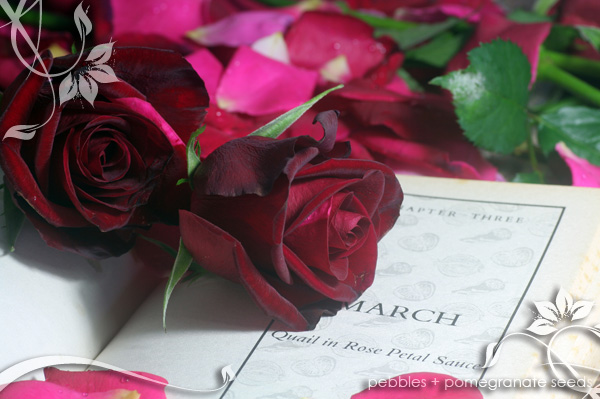
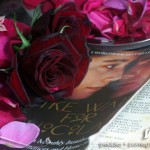
Laura Esquivel’s Like Water For Chocolate is possibly the epitome of food literature. The story itself revolves around the beautiful Tita and her unrequited love for the handsome Pedro, who foolishly marries her sister, Rosaura in an attempt to be close to Tita when her Mama Elena forbids their romance. Tita, Mama Elena’s youngest daughter, is destined never to love or marry as her role is to be the dutiful daughter dedicated to the care and wellbeing of her aging and rather unreasonable mother.
Devastated and consumed by grief and a sense of betrayal, Tita decants the sorrow of her lost love into the meals that she prepares with selfless abandon with some wonderfully bizarre consequences.
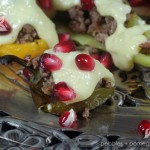
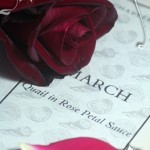
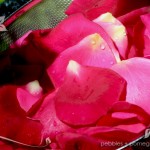
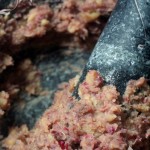
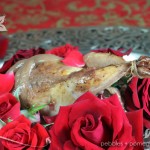
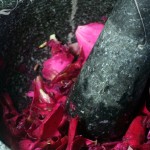
Tears, blood, grief, love; they all played their part in this sensual tale. Tears Tita despairingly shed into the batter of the wedding cake had disastrous effects on the wedding day while the blood from a thorn prick of the roses presented to her by Pedro, much to the disapproval of her mother, permeated the rose petal sauce of the quail creating a sexual energy that saw the diners almost explode with passion and her other sister, Gertrudis runs away to quench her lustful desires. And so, every meal offered some magical reprisal for those fortunate or unfortunate enough to have taken pleasure in it.
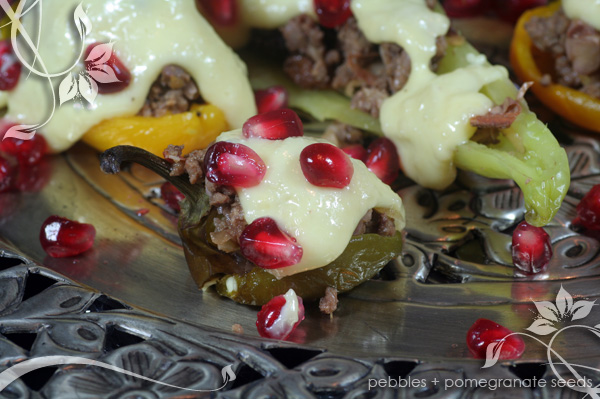
Like Water For Chocolate is one of many novels that comes complete with a list of ingredients for the recipes included in the book, the method of which provides illustrious reading to say the least. I often wonder how many people do actually go to the trouble of recreating these recipes, or is this just a romantic novelty that adds reality and sensuality to an already sumptuous plot?
I stopped wondering this when I became aware of the Noosa Slow Food, Food and Film Feasts, that are a dining delight to the many attendees that are fortunate enough to get bookings for these wonderful events. Many chefs have come on board with their own versions of delicious feastable favourites of literature and film; Babette’s Feast, Ratatouille, The Cook, the Thief, his Wife and his Lover just to name a few, all equally decadent in edible innuendo. Each year, the feast brings some exiting new surprises – I can’t wait for the next one.
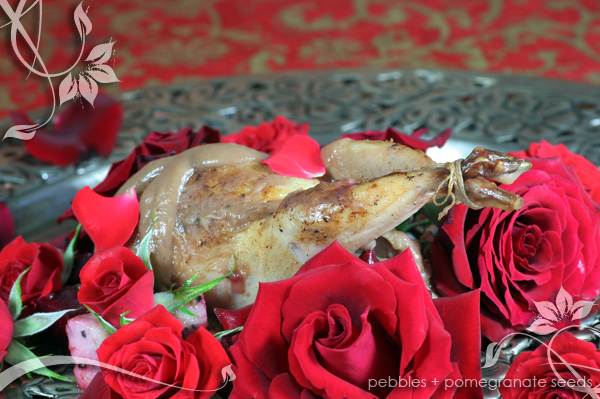
But remember, if you ever try some of the recipes from the book, restrain yourself – no tears of devastation and no infusions of passion or grief or we will not be held accountable for what may happen…
If you would like to have a Like Water For Chocolate experience of your own, you can purchase books online…
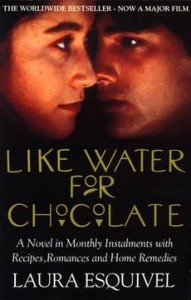
Click here to purchase Like Water for Chocolate.
Click here to download your iTunes version of Like Water For Chocolate:

Or download your Kindle version:
This post was written by Petra Frieser – Pebbles + Pomegranate Seeds