If you are drawn to a particular fruit or vegetable because of its magnificent colour, now there is even more of a reason to pick out the prettiest one to take centre stage in your meals.
Did you realise that the colours of fruits and vegetables is more valuable than just making your salad and meals look pretty? In fact, ensuring that you consume a rainbow of colour everyday is the key to longevity, quality of life, fewer wrinkles and a much reduced risk of all chronic lifestyle diseases such as diabetes, heart disease, Alzheimer’s, cancer (especially of the skin and bowel), as well as many, many more illnesses and diseases.
The components behind a fruit or vegetables colour and flavour are powerful biologically active compounds called Phytochemicals. Phytochemicals are the super compounds that protect a plant from harmful predators, bacteria, viruses and damaging sun rays, whilst also attracting birds and insects to the plant’s pretty petals and foliage, thereby promoting pollination and seed dispersal. When we eat fruits and vegetables we then benefit from the protective properties of the phytochemicals in that particular species.
There has been so much research in only recent times (the past 25 years or so), on phytochemicals and what we know is that there are thousands of these (last count there was around 12,000 identified) and they are known to incur many different properties within our bodies. Some examples of the effects include: antioxidant, anti-cancer, anti-inflammatory, anti-thrombotic, antibacterial, antiviral, antifungal, cholesterol lowering, hormone influencing, blood vessel relaxing, immune system stimulating, gut bacteria balancing.
So simply? The colour of fruits and vegetables tells us that they have powerful protective properties and each colour is representative of a different combination, or family, of phyto-chemicals. For example, the green in spinach and broccoli represents anti-oxidant lutein and anti-cancer phyto-chemical sulphoraphane, whilst the orange of carrots and pumpkin reflects the presence of beta-carotene, a powerful phyto-chemical known to protect against the risk of skin cancer.
So… eat a rainbow of colour!
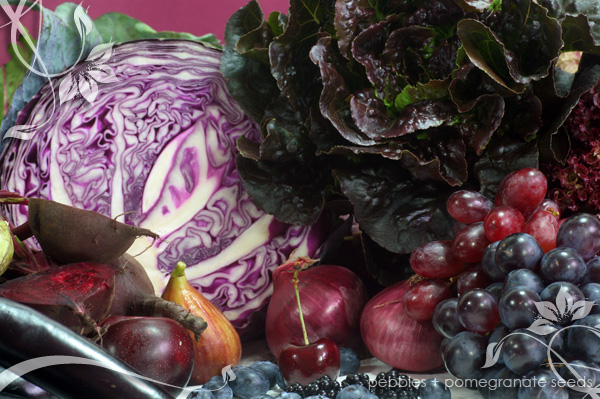
The focus here is on purple and all hues close to it. Fruits and vegies in this colour category are particularly rich in anthocyanins which are powerful anti-oxidant compounds that are anti-ageing, anti-inflammatory and anti-cancer, not to mention powerfully immune boosting! So stock up on a range of the following purple, red and black fruit and vegies to stay young, look fabulous, feel wonderful and remain optimally healthy!
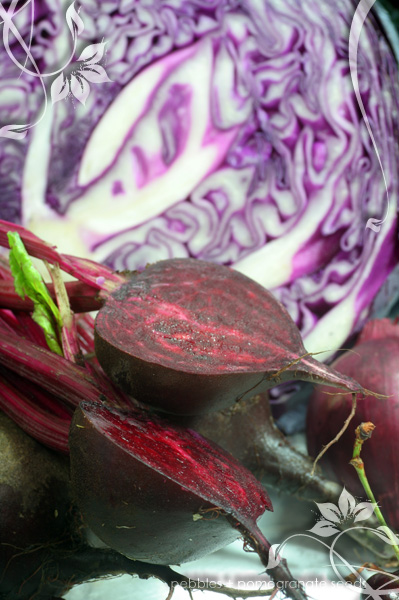
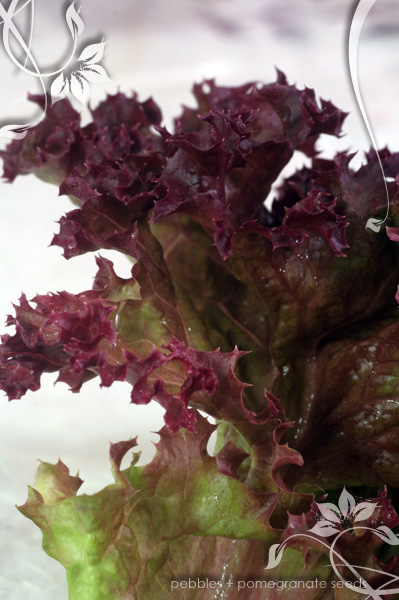
Purple/red cabbage
As well as being rich in anthocyanins, red cabbage contains almost twice the vitamin C content as green cabbage.
Purple figs
Black/purple variety also known as “Black Mission”, and the red /purple variety as “Brown Turkey”. Figs are rich in potassium, great for lowering blood pressure, and also phytosterols, that can help reduce cholesterol levels. Additionally, figs are a good source of manganese which plays a role in protecting our cells from free-radical damage.
Purple grapes
The skins of this fruit are rich in resveratrol, which has been shown in studies to inhibit the oxidation of LDL (“bad”) cholesterol and platelet aggregation, thereby significantly reducing the risk of heart disease. Red wine has long been famous for its heart health benefits and its regular consumption may help explain the relatively low incidence of heart disease in France, despite high intakes of saturated fat (the “French Paradox”).
Plums
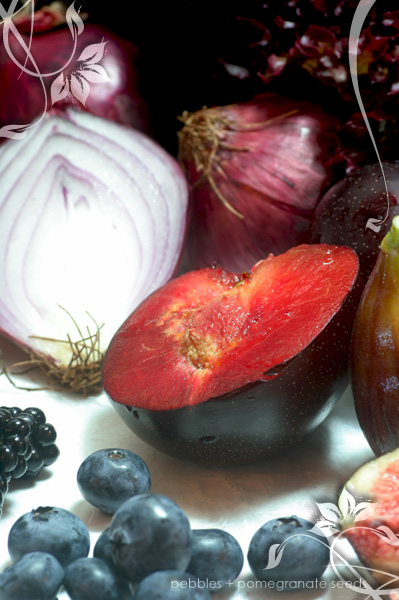
Plums and their dried version, prunes, are a source of a hydroxycinnamic acid called ferulic acid, making them a rich source of anti-oxidants. These acids have been associated with a reduced risk of colon cancer. Because prunes are dried, they rank highly on the ORAC (oxygen radical absorbance capacity) antioxidant scale meaning they offer a high level of defence against damaging free radicals. Also, prunes compared to fresh plums, are more concentrated in iron and potassium.
Aubergines
Aubergines are also called eggplants and are a good source of folic acid and potassium, however their greatest claim to fame is the anthocyanin, nasuin, responsible for their purple, glossy skin. This phytochemical is a potent antioxidant and protects significantly against cell damage. It blocks formation of free radicals, thus minimising cell damage, keeping us looking younger for longer, and also helping to keep our arteries pliable and clear of LDL (“bad’) cholesterol.
Cherries
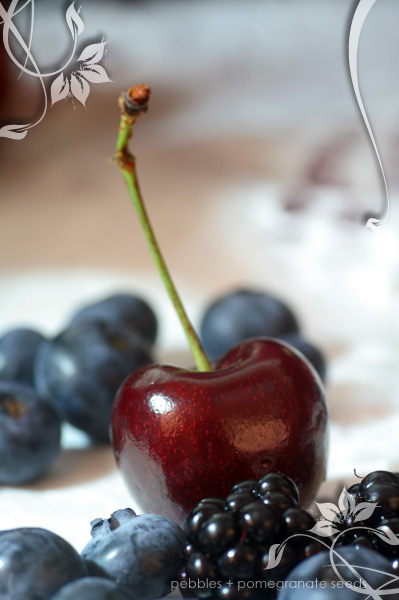
Being highly concentrated in anthocyanins, cherries offer strong anti-oxidant and anti-inflammatory benefits. They are thought to be particularly protective against stomach and colon cancer, as well as very good for the heart, preventing both the build up of fatty deposits, and any inflammation, in the arteries.
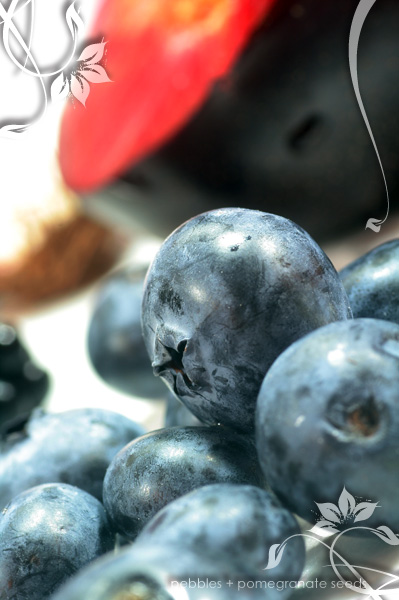
Blueberries
Blueberries, either fresh or frozen, have the highest anti-oxidant ability of all fresh fruit! They have effective anti-inflammatory, anti-blood clotting and anti-bacterial effects. The anti-inflammatory action helps strengthen small blood vessels, thereby helping to protect against the capillary damage associated with diabetes, which can lead to eye and kidney problems. Blueberries also delay the effects of ageing, helping to improve decline in short term memory and co-ordination.
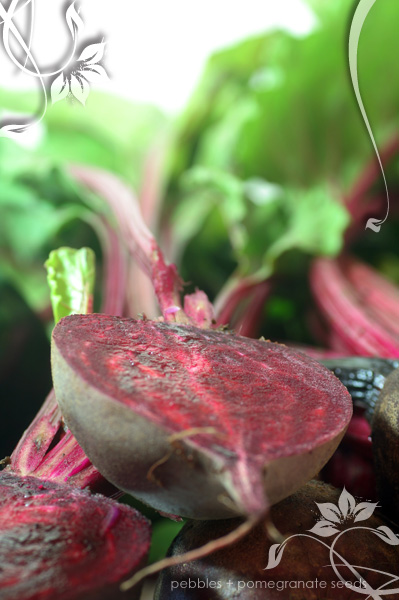
Beetroot
Beetroot contains a unique class of phyto-nutrients known as betalains which have extremely powerful anti-oxidant properties. Beetroot is classed as a chemo-protective food and may offer benefits by protecting against damaging metabolic by-products of nitrates, chemical preservatives commonly used in processed meats. Additionally, as well as being high in fibre they are also high in folate, potassium, magnesium and vitamin C. The greens of beetroot are also highly nutritious and can be eaten raw sliced through a salad, or boiled. They are an excellent source of vitamins A and C, as well as carotenoid phytonutrients, lutein and zeaxanthin, which are important for healthy vision.
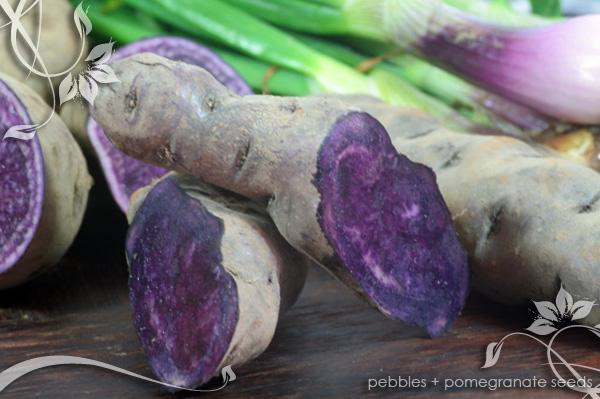
Purple potatoes
Like all potatoes purple potatoes will be an excellent source of vitamin C, fibre, potassium and Vitamin B6. Vitamin B6 is an incredibly important vitamin within the body playing a role in the healthy functioning of the nervous system, and protecting the heart from damaging levels of homocysteine. Within the nervous system B6 is necessary for the creation of many neuro-transmitters including serotonin, a lack of which is linked to depression, melatonin, the hormone required for a sound night’s sleep, and many more. High homocysteine levels are associated with a significantly increased risk for heart attack and stroke, as it is known to directly damage blood vessels. Additionally, potatoes, when eaten with the skin are a great source of fibre which will help to keep cholesterol levels low and encourage healthy digestion. Eating potatoes with the skin also helps to reduce their relatively high glycaemic response. Those watching their sugar levels or waist line, need to ensure that they consume potatoes with a source of protein and plenty of higher fibre vegetables such as broccoli and other leafy greens.
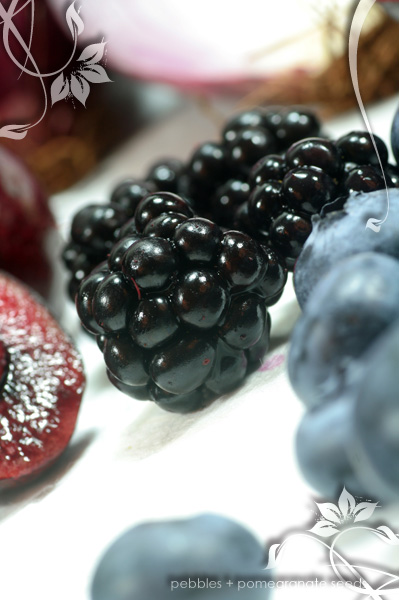
Blackberries
Blackberries are a good source of salicylate, a hydroxybenzoic phenolic acid that plants produce to fight infection- the anti-inflammatory drug, asprin, is actually produced from salicylate. This phyto-chemical is thought to inhibit the development of colon cancer cells. Blackberries also contain very high amounts of Vitamin C and folate, as well as good amounts of Vitamin E and fibre.
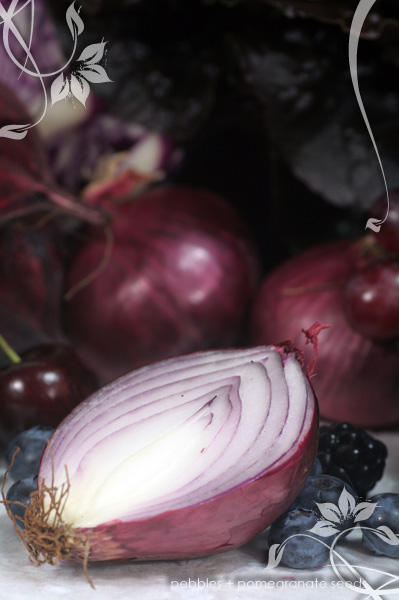
Red onions
The highest concentration of quercetin, a potent anti-oxidant, is found in red, then yellow, onions; white onions contain none. Studies show that quercetin protects against free radical damage to LDL (“bad”) cholesterol, and is also thought to perhaps benefit those with rheumatoid arthritis, given its potential to reduce inflammation associated with this condition. Studies have also linked the regular intake of onions with a reduced risk of certain types of cancers.
Purple broccoli
All cruciferous vegetables are bursting with a host of phyto-chemicals that are nothing less than amazing for our health. One of the clearest links and associations of cruciferous vegetables with health is their demonstrated anti-cancer effects. These benefits are thought to be due to the large concentration of sulphur containing phyto-nutrients in this family of vegetables, however they are also great sources of carotenoids and flavonoids. To sum up, broccoli, is good for your heart, eyes/vision, gut health (particularly the stomach), to promote strong bones and is also magical during pregnancy. Folic acid is a B vitamin essential for proper cell division and DNA synthesis, and deficiency during pregnancy is associated with the development of neural tube defects such as spina bifida. So load up on the broccoli!
The moral of the story here is that fruits and vegetables have health protective properties more incredible than we could ever know. Mum was right to not let us leave the table without finishing our vegies! It is a sad reality that many of us today do not even meet the minimum intakes for fresh fruit and vegetables, and the prevalence of chronic lifestyle conditions is an unfortunate reflection of this.
If you want to live a long, independent and quality life, there is a lot you can do to encourage as strongly as possible this path. Start by being creative with fruits and vegetables and consider how you may achieve your minimum of 2 fruits and 5 veg daily.
Story by BridgetJane- Food Body Lifestyle Guru and founder of New Leaf Nutrition.
Bridget is incredibly passionate about the essential role food and good nutrition plays in disease prevention, longevity (living better longer), weight management, and overall wellbeing. She enjoys guiding her patients toward maximising health, vitality and happiness, as well as helping her clients to develop a mindful approach towards their wellbeing. Having being overweight herself as a child, and falling prey to bad nutritional habits, Bridget knows only too well how powerfully food can influence not just how you look and feel on a day to day basis, but also how this can impact in the long term.
Having worked as a dietician in a multitude of areas, from childcare to aged care to corporate to one on one, across a range of socio-economic populations, Bridget has learned very quickly what the difference is to really bringing about significant and lasting change in a person’s health. She has recognised that the key is being able to offer clients focused and dedicated time and energy where she can really understand their lifestyle and perspective, thereby offering the most realistic and sustainable solutions to help that individual achieve their particular health goals.
Given this observation, Bridget birthed New Leaf Nutrition, a VIP and boutique-style mobile nutrition service that comes to you. Some of the features Bridget offers in this service, in addition to a personal and thorough assessment, include cupboard cleanouts, supermarket shopping tours, healthy cooking demonstrations, meal planning sessions, food and lifestyle strategies as well as ongoing motivational coaching. All done “in-home”, with real food and personally tailored to you- no off the shelf programs or products.
If you would like any more information on this story, or perhaps personal advice on how you can promote optimal health through your diet, please do not hesitate to contact Bridget on 0421 332 243,
or email, bridget@newleafnutrition.com.au
or see www.newleafnutrition.com.au
This post was written by Bridget Thompson for Pebbles + Pomegranate Seeds